By Gabriella Parra
This post is from our 2026 Spring Internship series.
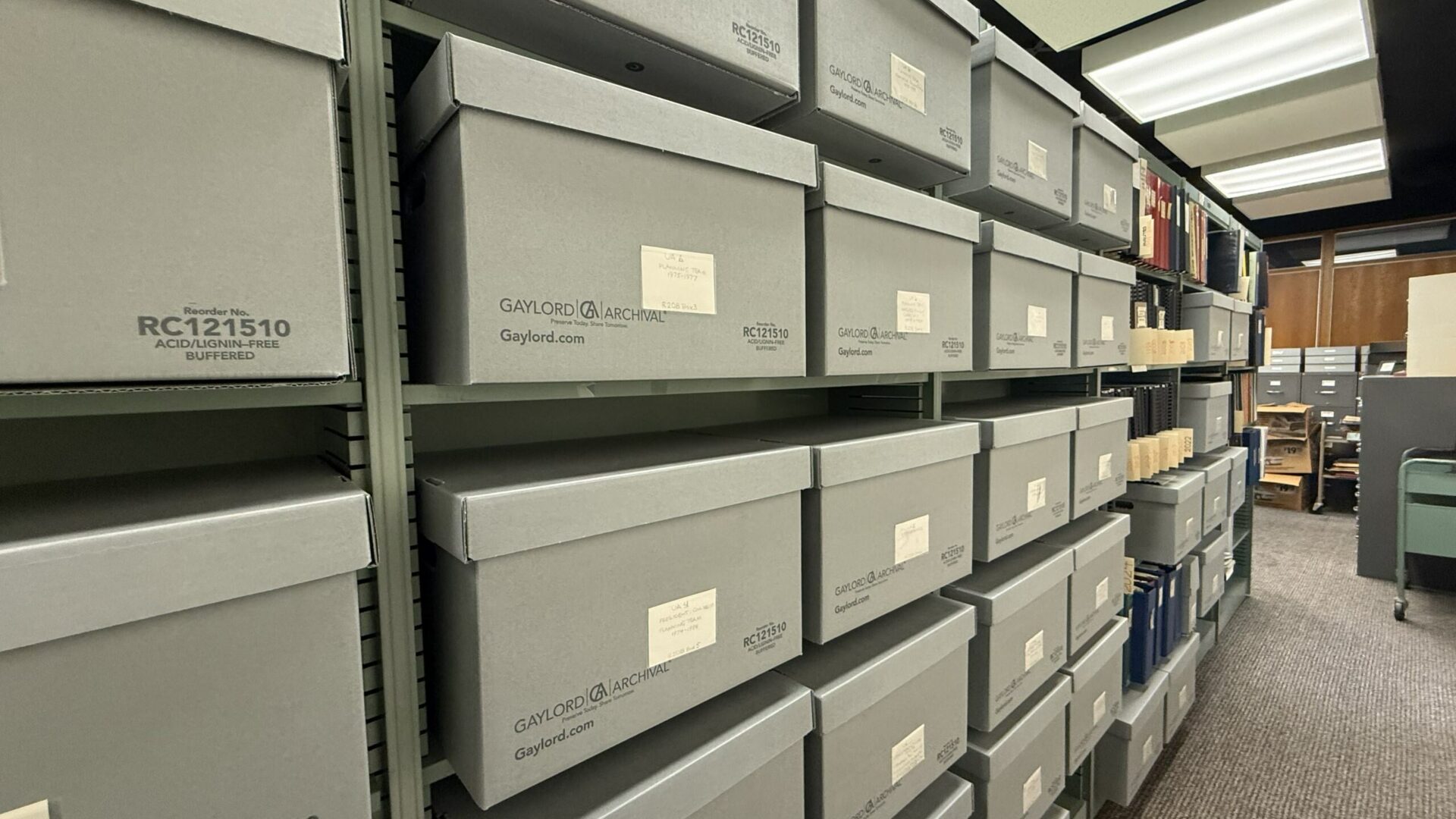
This semester, I had the opportunity to intern at the Blume Library at St. Mary’s University. Specifically, I was an outreach intern for the library’s Special Collections and University Archives (SCUA). SCUA furthers the academic library’s goal of providing resources to support the intellectual growth of the St. Mary’s community by preserving archival material. Most of the books, paintings, sculptures, pamphlets, and images stored in the SCUA workroom hold significance in the realm of Texas history, and they were donated by St. Mary’s community members including former students and Marianist Brothers.
The SCUA department in the Blume Library is a young one. Although SCUA’s inventory has increased over the years, formalizing the functions and processes of the department has only begun recently. Originally, SCUA was voluntarily upkept by a brother with archival experience. Only about 2 years ago, the library hired its first university archivist to update the archives systems and organize its collections. With progress in the workroom, it was time to think about SCUA’s role in the community.
As the outreach intern, I was tasked with setting goals and devising recommendations that would create visibility for SCUA and foster relationships with students, faculty, and the greater community. This started with research into the outreach initiatives of SCUA departments at institutions similar to St. Mary’s. I reviewed the web pages of 27 SCUA departments at different university libraries, noting what information was available, the social media accounts linked, and the events advertised. After collecting this data on the practices of university archives, I researched best practices for outreach in the archival field. Resources from the Society of American Archivists (SAA) and similar organizations were helpful in cluing me into the prominent conversations surrounding archival outreach, like how to communicate the value of archives and how the internet can create exposure for archives. With this information, I drafted a report describing my findings and identifying projects that would increase the amount of interaction between SCUA and the St. Mary’s community, including developing programming for students and creating content for social media.
From here, I began planning the exact projects I proposed, starting with SCUA programming. First, I reviewed the finding aids in the Blume Library Digital Commons to identify interesting archival materials that could be a springboard for an activity. For example, the newspaper clippings about Peruvian Author Ricardo Palma could be interesting to review during Hispanic Heritage Month, especially given the university’s majority Latine population. We could look through the Christmas cards in the Pola Negri Papers and write holiday letters to our friends and family. We could throw a vinyl listening party using the stacks and stacks of records, complete with small activities like board games, puzzles, and cards. After making a list of SCUA event ideas, I created plans for two of them. To do this, I explained the idea for the event and wrote a list of resources that we’d need. If we did not have these resources on hand, I linked to websites where we could buy them from.
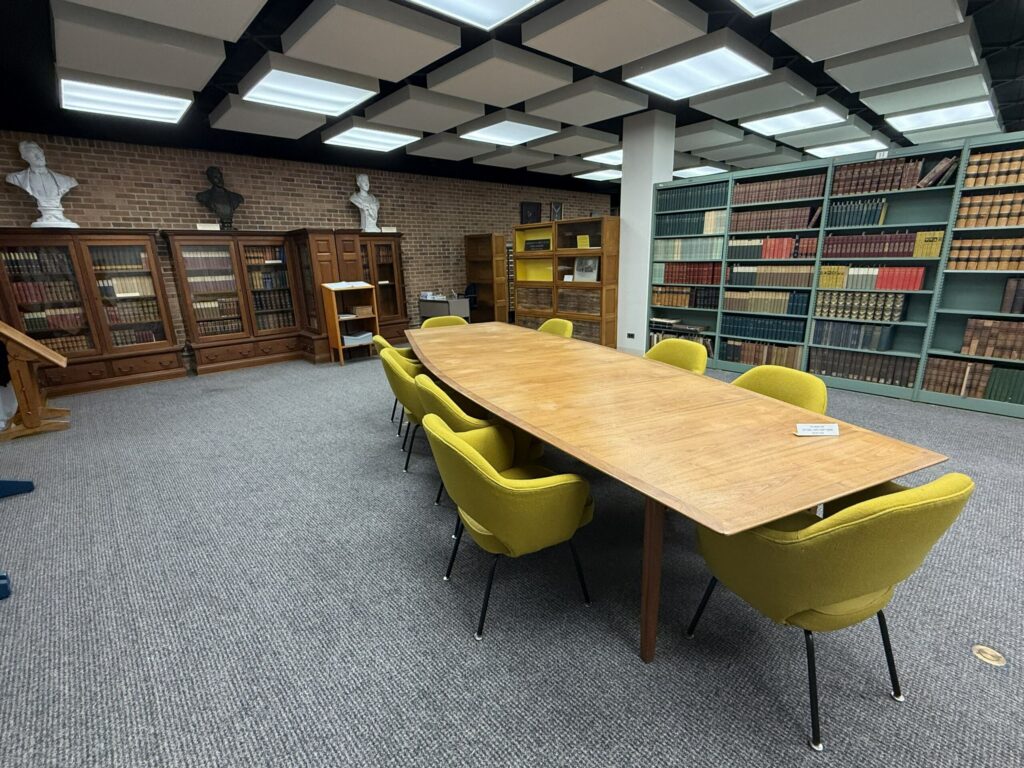
Then, I pivoted to content creation. My supervisor had the idea to create #ThrowbackThursday posts using materials in our collections. Again, I looked through our finding aids for interesting objects and stories to tell. Inspired by Women’s History Month, I wanted to view the artifacts relating to Pola Negri, Sadie Thornhill (a Chili Queen), and etiquette books. I took a trip to the Special Collections Reading Room to see these items and take pictures for use in social media posts. These trips to the Reading Room were one of the most exciting parts of this internship. It’s amazing to hold artifacts in your hands and think about who once owned them. Thinking about how items in the archives were used in a person’s life and impacted their life is often where the story to be told becomes apparent. But sometimes, I found that there wasn’t much to say using the sources in front of me like in the case of Sadie Thornhill. With only one article about her in the archives, I decided that my time would be better spent on a topic that would allow me to showcase multiple artifacts in the SCUA workroom.
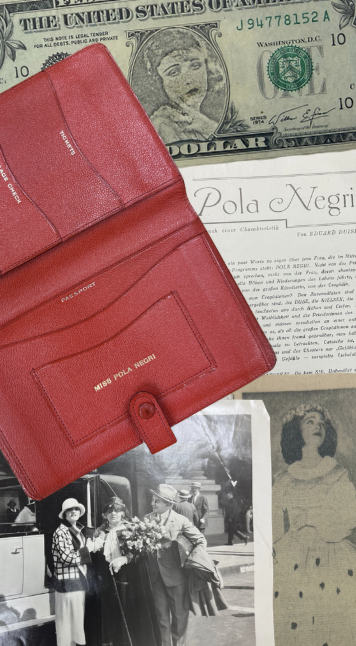
Back at my desk, I began uploading the images I had taken in the Reading Room and conducting research on the main topics of the forthcoming social media posts. With a deeper understanding of these topics, I began editing the information and pictures into 20- to 30-second-long reels. Because I do not post to social media myself, I was eager to gain experience in content creation. I am comfortable creating presentations and infographics on Canva, but this was my first time creating a video on the website. I was able to play around with Canva’s premium features on the Blume Library’s account and get a feel for including branding in social media content. By the end of my internship, I created four reels for SCUA. One provided an introduction to the department for students who are unfamiliar with SCUA, and the other three presented histories using artifacts from the archives.
One of the final projects I worked on was drafting a brochure for SCUA. After utilizing the archives during my internship all semester, I was comfortable with the process of accessing archival material. I used this knowledge and information already on the department’s website to construct the brochure. The trifold explains what Special Collections and University Archives is, what services the department offers, policies to know before visiting the Reading Room, and how to schedule an appointment to view archival materials. After making edits to keep verbiage consistent and add visual appeal, the brochure was sent for approval and will be used as early as next semester.
This internship was interesting in that it allowed me to use skills I already had and apply them in a new way. I am used to researching histories and presenting them in creative ways, but I had never done so with social media content. I have experience planning events, but I was able to build on this by focusing on events with a historical slant. I also found value in viewing my university through a new lens. I’ve done archival research, but never at St. Mary’s own archives. Through my work, I gained a better understanding of the collections in the SCUA workroom and the relationship that could exist between students, faculty, and Special Collections and University Archives. SCUA can be useful for the St. Mary’s community, especially as the department grows. My hope is that the department’s collections begin to concentrate on the interests of the community, but this can only happen if students, faculty, and SCUA are connected. I’m proud to say that the work I did this semester will help foster these connections.
